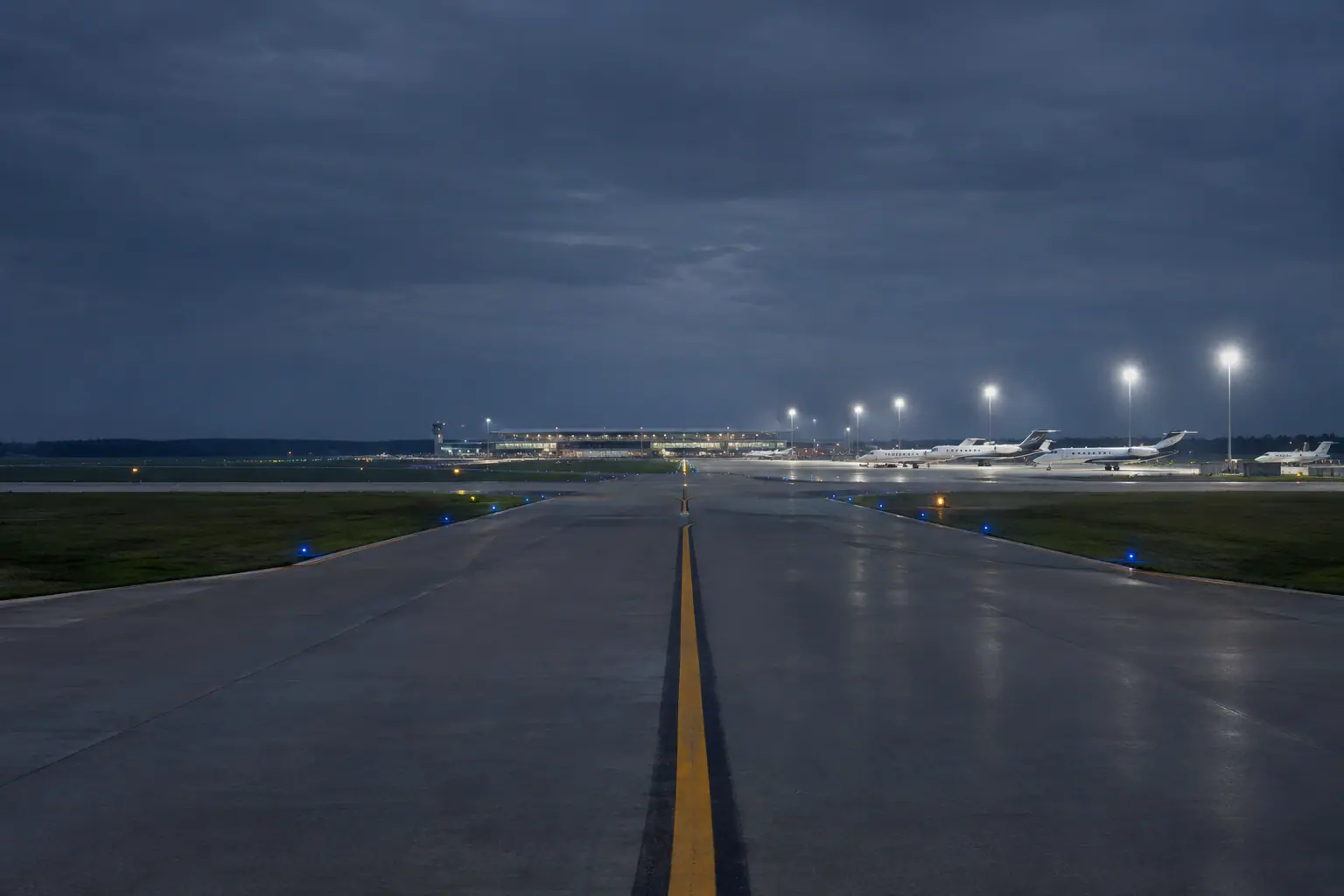
Private jet charter George Bush
private jet charter George Bush Intercontinental starts with one airport fact: 12,001 feet of runway. That length lets heavy jets fly nonstop to Europe from a field 97 feet above sea level. Houston fliers get airline-scale infrastructure without the terminal.
- KIAH · IAHairport codes
- 97 ftfield elevation
- 12,001 ftlongest runway
- 15 mifor Downtown Houston
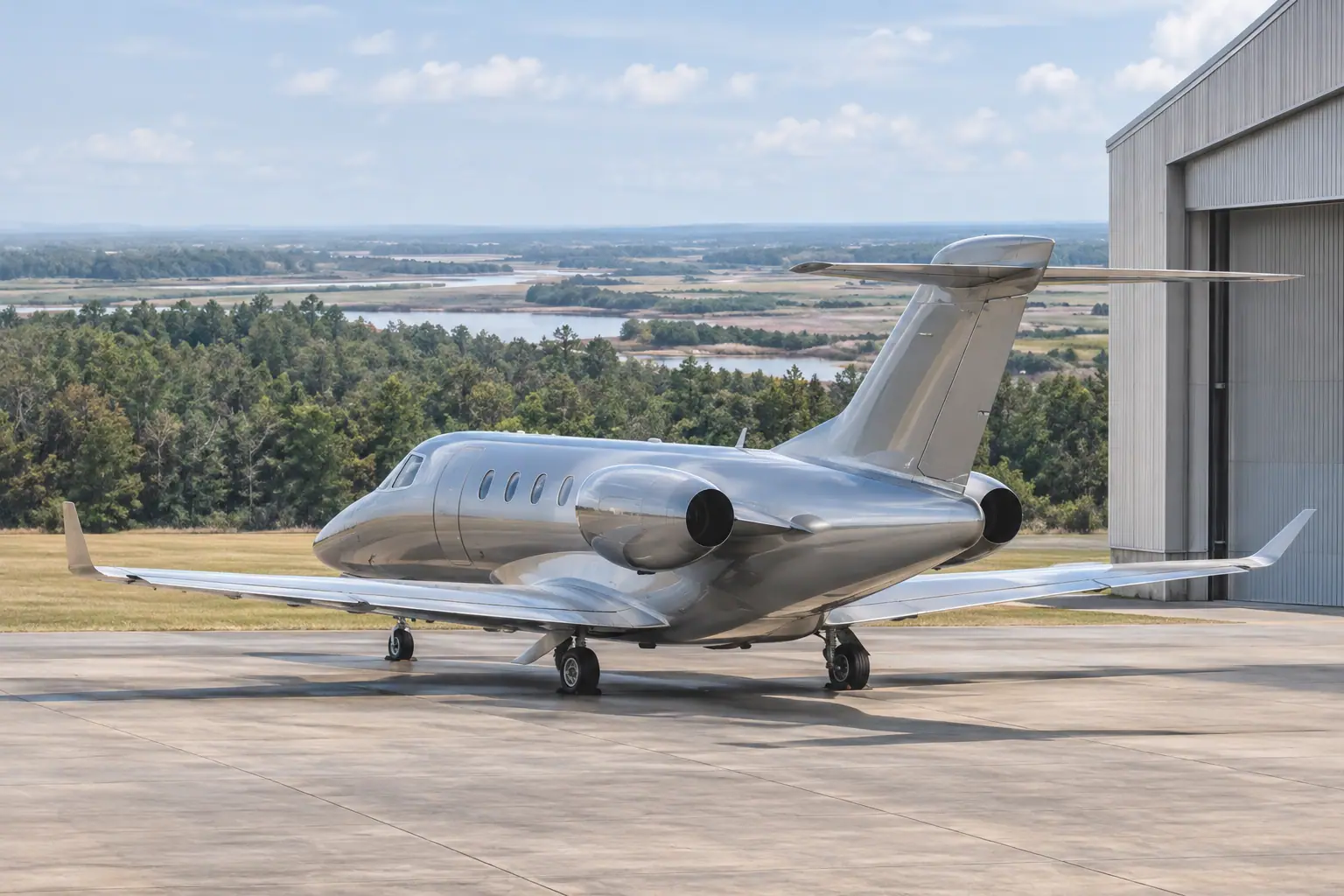
private jet charter George Bush Intercontinental centers on KIAH, the big north-side field that most Houston travelers know for airline terminals. The 12,001 ft longest runway at George Bush opens nonstop transatlantic legs to heavy jets that smaller Houston fields cannot serve at full fuel. Elevation is 97 ft, so the airport sits close to sea level and rarely limits takeoff performance the way mountain fields do.
Charter activity here splits into two patterns. Some travelers use IAH as a long-haul departure point, pairing a Houston origin with a Gulfstream or Global-class aircraft for Europe, South America or the West Coast. Charter flights from IAH also work as repositioning segments for empty legs when an operator needs to move an aircraft to or from Houston. Ask about both when you request estimates, because pricing on a repositioning leg can differ sharply from a standard round trip.
This is a broker's page, not an operator's. We arrange private jet charter; the flights themselves are flown by FAA Part 135 operators who hold operational control, and we act as your agent under DOT Part 295 authority. That structure matters at a field this busy, because the operator, not the broker, decides crew duty limits, routing and final go/no-go.
What you get at KIAH is scale. Three FBOs compete for business on the field, runway length supports aircraft up to the largest business jets, and the airport's north Houston location puts downtown, The Woodlands and the Energy Corridor within a reasonable drive. What you give up is the small-field feel of Sugar Land or Ellington.
Pricing at George Bush reflects supply and demand like any other market. Charter rates are estimates until an operator confirms aircraft and crew, and the figures you see quoted for Houston routes move with fuel, day of week and how far in advance you book. Request several aircraft categories before you commit.
For travelers comparing airports across the metro, IAH is the long-haul answer and the other fields are the convenience answer. If your trip is a short hop to Dallas or Austin, then a smaller field usually saves drive time and money. If your trip is transatlantic, then the runway length at George Bush is the deciding factor.
Runways and field performance at IAH
George Bush Intercontinental has a longest runway of 12,001 ft at an elevation of 97 ft, which puts it among the more capable business aviation departure points in Texas. A 12,001 ft runway at 97 ft elevation supports heavy jets on long-haul routes where shorter fields would force a fuel stop. Multiple parallel runways keep departures moving even during airline push hours. For a light jet heading to Dallas, that runway length is simply headroom you do not need. For a large-cabin aircraft bound for Europe, it is the difference between nonstop and a tech stop.
| Runway | Length | Width | Surface |
|---|---|---|---|
| 15L/33R | 12,001 ft | 150 ft | Concrete |
| 09/27 | 10,000 ft | 150 ft | Asphalt |
| 15R/33L | 10,000 ft | 150 ft | Concrete |
| 08R/26L | 9,402 ft | 150 ft | Concrete |
| 08L/26R | 9,000 ft | 150 ft | Concrete |
FBOs on the field at George Bush
Three FBOs serve general aviation at IAH: Atlantic Aviation IAH, Signature Aviation and Galaxy FBO. Atlantic Aviation IAH, Signature Aviation and Galaxy FBO handle general aviation at George Bush and each offers its own ramp, lounge and handling arrangements. Which one your flight uses depends on the operator's agreement with the FBO, not on your preference alone, so confirm the meeting point in your trip sheet. If a passenger needs to arrive by car and walk straight to the aircraft, then ask the operator which FBO is assigned before you leave. Ground handling and ramp fees vary by FBO and are typically quoted as part of your charter estimate.
Best for
- Transatlantic and long-haul departures that need a 12,001 ft runway
- Large-cabin and heavy jet charters where field length matters
- Travelers who want three on-field FBO options and full airport services
- North Houston origins near The Woodlands, Spring and the Energy Corridor
| Class | Typical runway need | Here |
|---|---|---|
| Turboprop | 3,300 ft+ | Fits |
| Light jet | 4,000 ft+ | Fits |
| Midsize jet | 5,000 ft+ | Fits |
| Super-midsize jet | 5,200 ft+ | Fits |
| Heavy jet | 5,600 ft+ | Fits |
Heat and density altitude by season
Density altitude at George Bush climbs from about 300 ft in January to a July figure of 2,300 ft, with a peak of 2,900 ft at 115F. July density altitude of 2,300 ft at George Bush trims performance on hot afternoons for smaller aircraft, though the field's long runway offsets most of it. August matches July at 2,300 ft, so midsummer departures are the ones worth planning around.
The wet season runs alongside the heat. May, June, July and August each average 16 wet days, and September holds 14, which means afternoon thunderstorms are a routine scheduling factor from late spring into early fall. If your departure is booked for a summer afternoon, then an early morning slot usually gives better margins and fewer weather holds. Winter is gentler on performance: January peaks at 62F with a density altitude near 300 ft, and December sits at 700 ft.
| Month | Avg high | Wet days | DA figure |
|---|---|---|---|
| Jan | 62°F | 11 | 300 ft |
| Feb | 67°F | 12 | 700 ft |
| Mar | 73°F | 14 | 1,100 ft |
| Apr | 78°F | 14 | 1,400 ft |
| May | 84°F | 16 | 1,800 ft |
| Jun | 89°F | 16 | 2,100 ft |
| Jul | 91°F | 16 | 2,300 ft |
| Aug | 92°F | 16 | 2,300 ft |
| Sep | 88°F | 14 | 2,100 ft |
| Oct | 81°F | 10 | 1,600 ft |
| Nov | 71°F | 11 | 900 ft |
| Dec | 67°F | 11 | 700 ft |
Getting to and from the airport
George Bush Intercontinental sits in north Houston, reached by Interstate 69 and the Sam Houston Tollway, with the airport's own road system feeding the terminals and FBO ramps. Driving to George Bush Intercontinental from downtown Houston uses Interstate 69 north and typically runs longer during weekday rush hours. The field is well placed for travelers starting in The Woodlands, Spring and Humble, and less convenient for those coming from Sugar Land or the museum district, who may prefer Sugar Land Regional. Charters are operated by FAA Part 135 operators, and international legs require CBP clearance; confirm document checks with your operator before departure.
Routes via George Bush Intercontinental
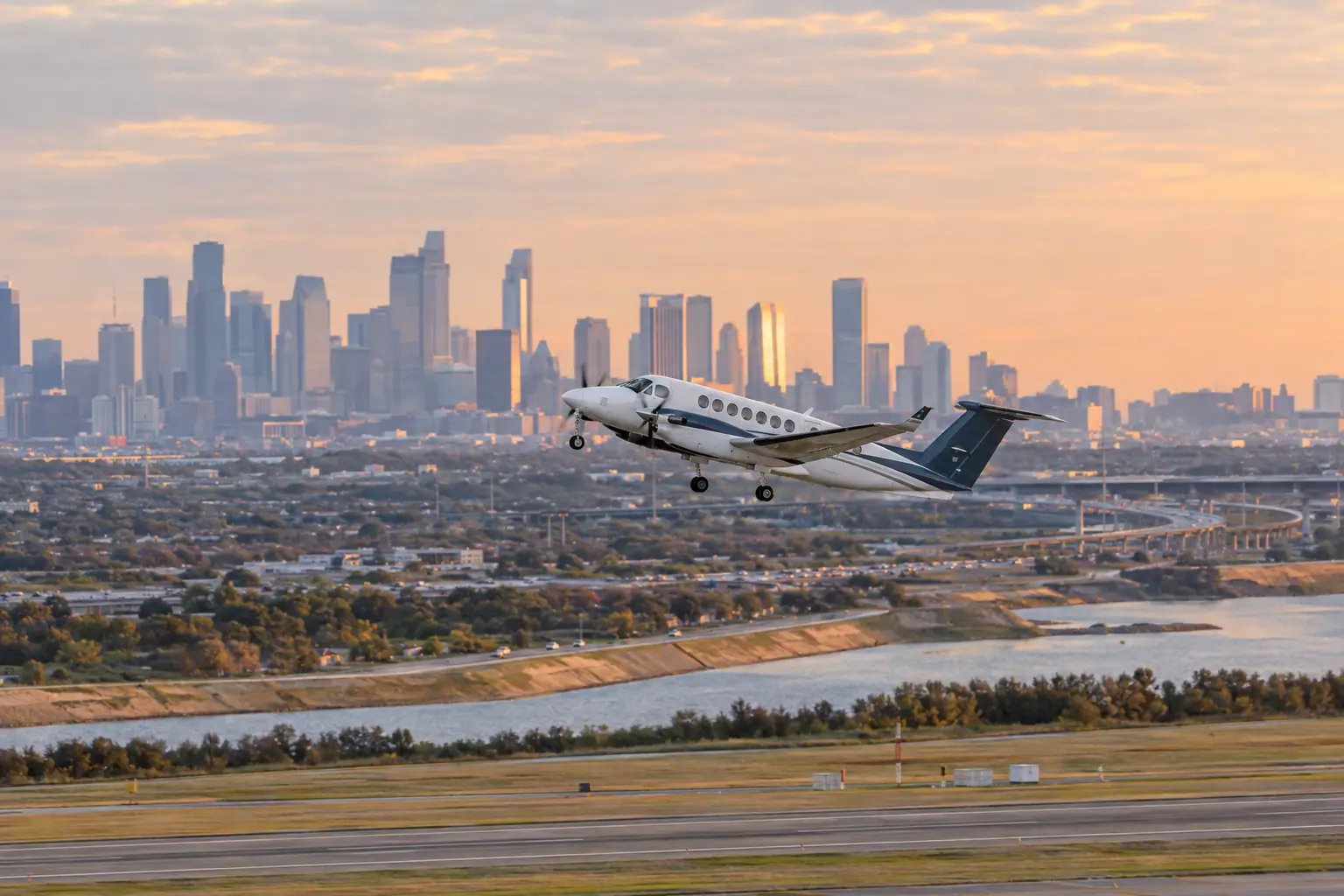
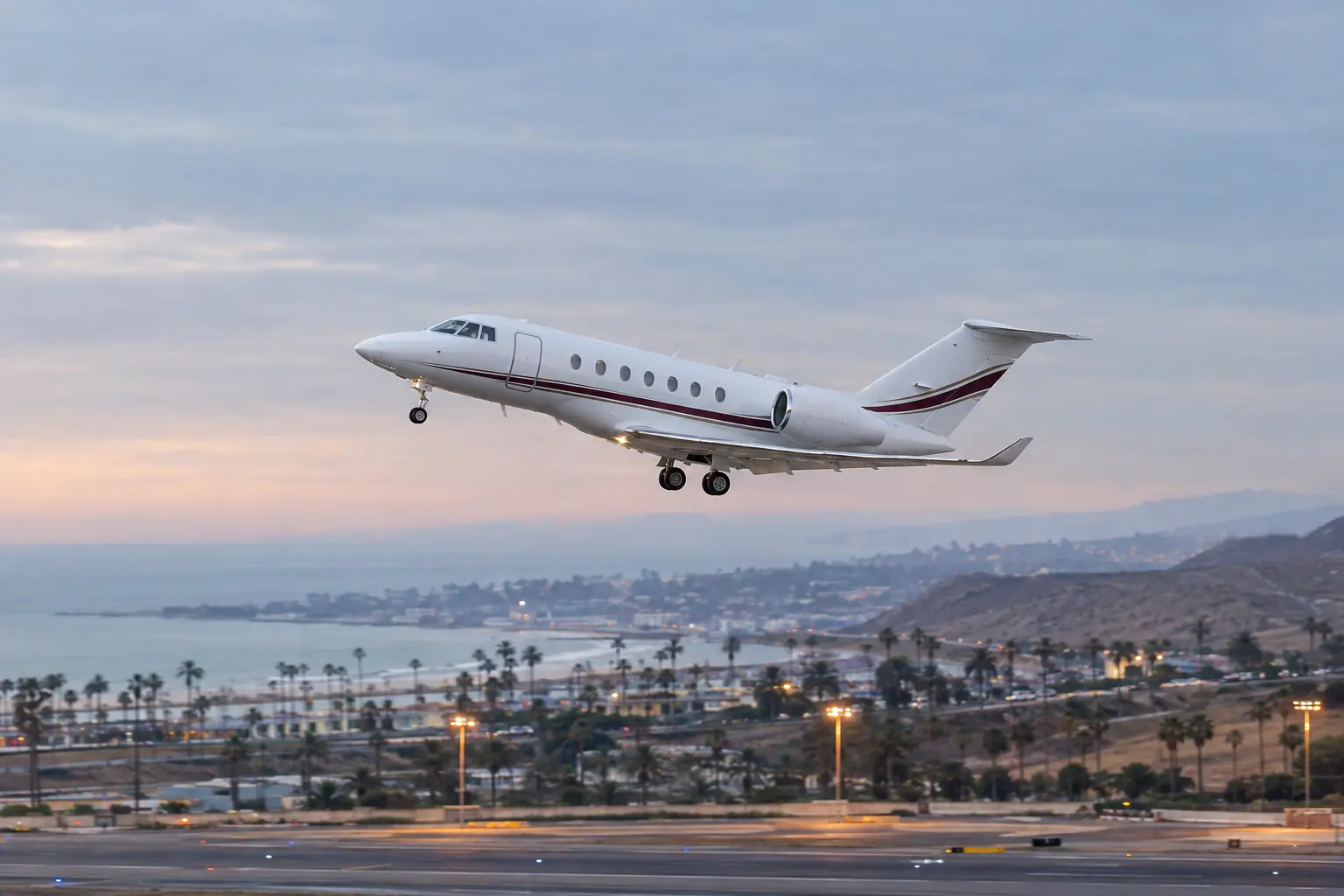
Across these 6 private jet routes the distance spans 213 to 1,230 nautical miles, and one-way light jet estimates run $4,000 to $23,500.


Questions about this airport
How much does private jet charter George Bush cost?
There is no single rate, because pricing depends on aircraft category, distance and date. Your estimate is built from the operator's quote, and charter prices are estimates until an operator confirms an aircraft and crew. Short regional hops on a light jet price far below transatlantic heavy-jet legs. Request two or three categories and compare, since quotes for the same route can differ meaningfully between operators.
Which runway does charter traffic use at IAH?
The field's longest runway is 12,001 ft, and airport elevation is 97 ft. Which runway your flight actually uses is an air traffic and wind decision made on the day, and the operator's crew follows tower instructions. The long runway matters most for heavy jets on long-haul departures, where field length supports a full fuel load. For light jets, available runway is rarely the limiting factor.
Which FBOs serve general aviation at George Bush?
Three: Atlantic Aviation IAH, Signature Aviation and Galaxy FBO. The operator's existing agreement with an FBO usually determines where your aircraft parks and where you meet it. Confirm the assigned FBO in your trip sheet before departure, and if you are arriving by car, ask for the specific ramp entrance. Handling and ramp fees are typically included in the charter estimate rather than billed separately at the counter.
How does summer heat affect departures from George Bush?
July density altitude at the airport averages about 2,300 ft, with a peak of 2,900 ft at 115F. Higher density altitude reduces lift and engine performance, so smaller aircraft may face payload or fuel limits on hot afternoons. The 12,001 ft runway offsets much of this. If you are flying a light jet in midsummer, then an early morning departure usually gives the crew more margin.
What does a charter broker do for a Houston flight?
We arrange the flight and act as your agent under DOT Part 295, sourcing aircraft from FAA Part 135 operators who hold operational control. That means the operator's crew makes the safety and routing decisions, while we handle the comparison, booking and communication. We do not own the aircraft. If something changes on the day, then the operator manages the flight and we keep you informed.
When should I use IAH instead of Sugar Land Regional?
Use George Bush when range matters. Its 12,001 ft runway supports long-haul heavy jets; Sugar Land Regional's longest runway is 8,000 ft. For short hops to Dallas, Austin or New Orleans, the smaller field often saves drive time. If your trip crosses an ocean, then the runway length at IAH is the reason to choose it. International returns also require CBP clearance, so confirm that with the operator.