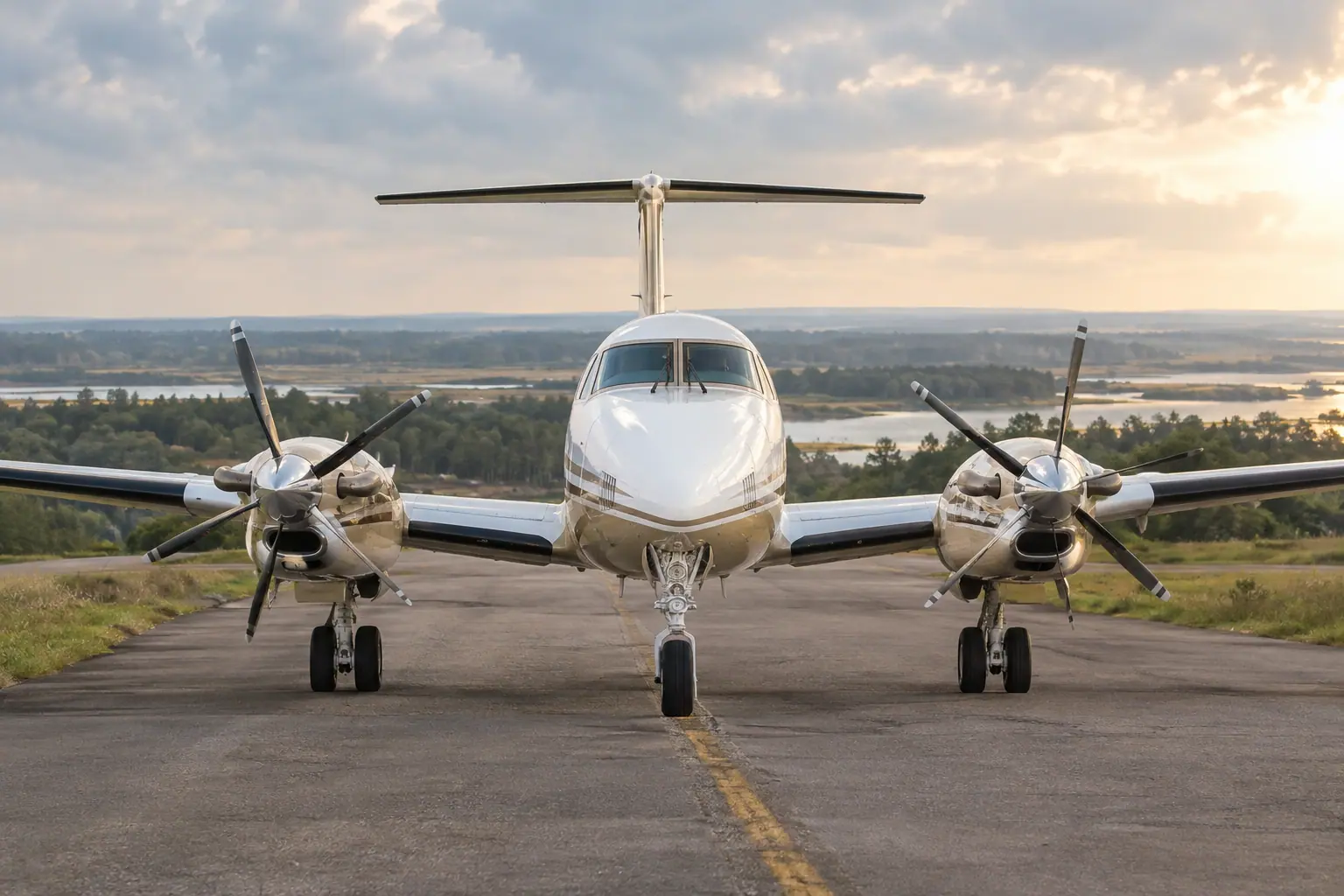
Turboprop charter cost Houston
Turboprop charter cost Houston runs $2,200 to $3,500 per flight hour, depending on the airframe and the day. A Dallas round trip in a 213 nm turboprop lands near $2,500 to $3,500. The math below covers routes, aircraft and the trips where a prop simply does not fit.
- $2,200–$3,500per flight hour
- 6-8passengers
- 1,500 nmstandard span
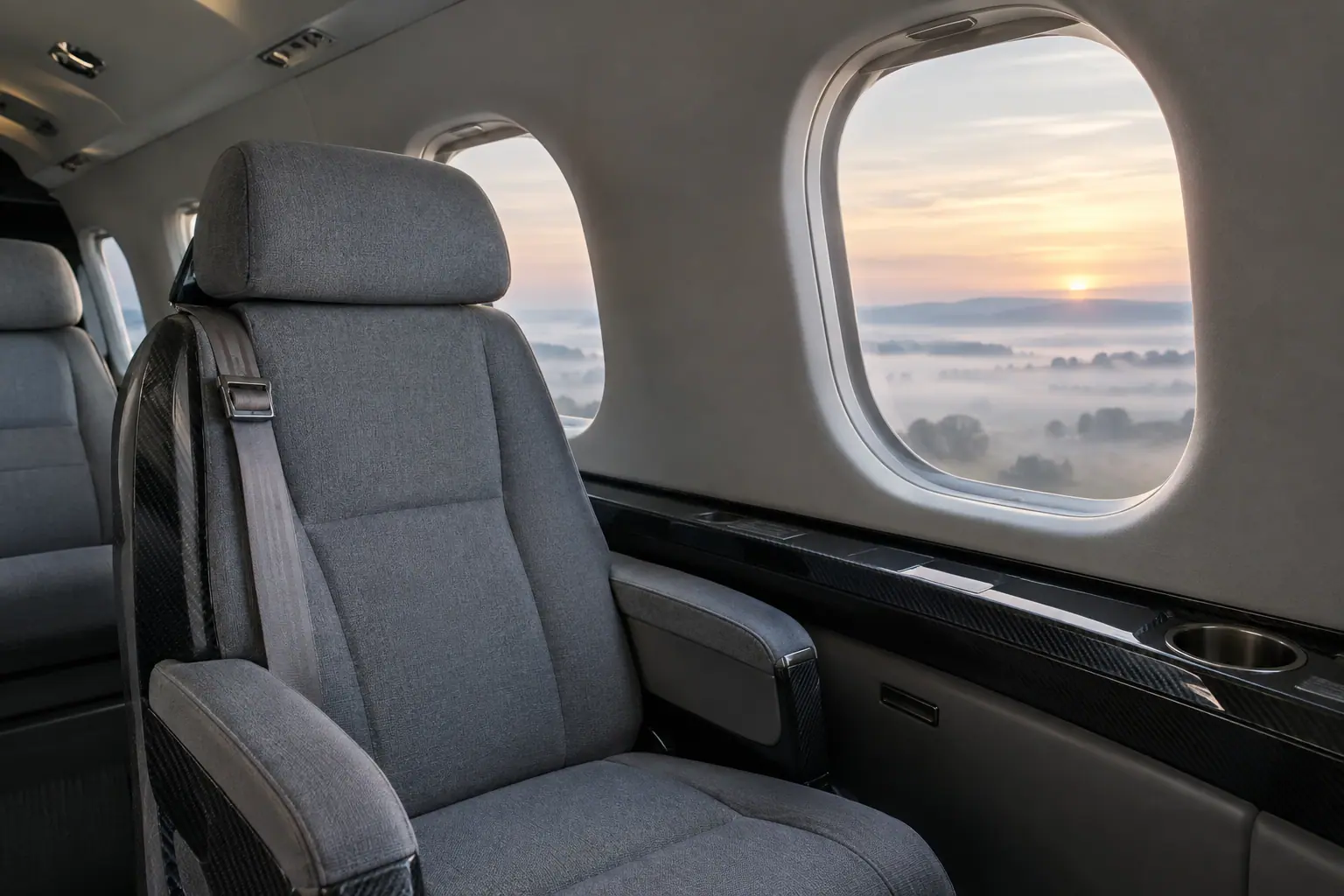
Every turboprop quote you get in Houston is really three numbers stacked together: the hourly rate, the billable flight time, and the fees around the edges. The hourly band here is $2,200 to $3,500, which covers everything from a six-seat Pilatus PC-12 NGX to an eight-seat Beechcraft King Air 350i. A Dallas run at 213 nm prices at $2,500 to $3,500, while a Chicago leg at 815 nm comes in at $7,000 to $11,000. Those are estimates, not filed fares, so treat them as a planning range rather than a quote. Expect roughly $2,200 to $3,500 per hour for a Houston turboprop charter, and expect the final invoice to move with repositioning, crew duty time and airport fees at each end.
What separates a turboprop from a light jet is not just speed but where it can land and what it burns. At about 300 knots cruise the class is slower than a jet, yet it reaches runways a jet cannot and does it on less fuel. A turboprop cabin seats 6 to 8 passengers with baggage for a weekend, so it suits family trips, oilfield crews and small sales teams rather than full corporate departments. Typical range sits near 1,500 nm, which covers most of the eastern half of the country nonstop and pushes the West Coast into a fuel stop. Houston turboprop charter pricing stays lower than jet pricing on the same route, and that gap widens as the leg shortens.
Daher TBM 960
- 6 seats
- 330 kt cruise
- 1,730 nm range
- 32 cu ft baggage
Beechcraft King Air 350i
- 8 seats
- 312 kt cruise
- 1,800 nm range
- 55 cu ft baggage
The Beechcraft King Air 350i carries eight passengers at 312 knots with 1,800 nm of range, so it clears the 815 nm Chicago leg nonstop in 3h 09m and still has margin. The cabin measures 4 ft 9 in tall and 16 ft 8 in long, with 55 cu ft of baggage, which is the most storage in this class. For eight passengers and real luggage, the King Air 350i is the Houston default. At the top of the hourly band, it makes sense on longer legs where seats and range both matter.
When a turboprop suits a Houston trip
- Short regional legs under about 600 nm, where climb-and-cruise time eats a jet's speed advantage and the prop's lower hourly rate wins outright.
- Airports with short or constrained runways. Bush Intercontinental and Hobby handle anything, but the reliever fields around Houston and rural Texas strips reward a turboprop.
- Trips where the whole party is six to eight people and baggage is light. A PC-12 NGX at six seats or a King Air 350i at eight matches most groups without paying for empty cabin.
- Crews and contractors flying into smaller oilfield and industrial towns on a schedule that airlines cannot serve without a long connection. If the destination has no scheduled service, then a turboprop is often the only practical charter option.
Where turboprop economics stop working
Distance is the honest limit. Los Angeles at 1,218 nm and New York at 1,230 nm both price at $11,500 to $20,500 for a turboprop because neither runs nonstop, and a fuel stop adds billable time on top of a slower cruise. Boston at 1,385 nm takes 5h 54m with a stop and lands at $13,000 to $20,500, which is jet money for a prop cabin. Past roughly 1,200 nm you are usually better off comparing light jets before you commit.
Weather and icing matter more in a turboprop than in a jet, and winter systems across Texas and the Midwest can force routing changes or a ground stop. When icing conditions close a route, then the operator may re-route or delay, and your schedule should carry slack. Charter brokers arrange flights under DOT Part 295 as agents; the flights themselves are flown by FAA Part 135 operators who hold operational control and set the release. International legs add CBP clearance at the point of entry, and anyone meeting an arriving aircraft airside should expect TSA and airport badging rules to apply.
Turboprop prices on top routes
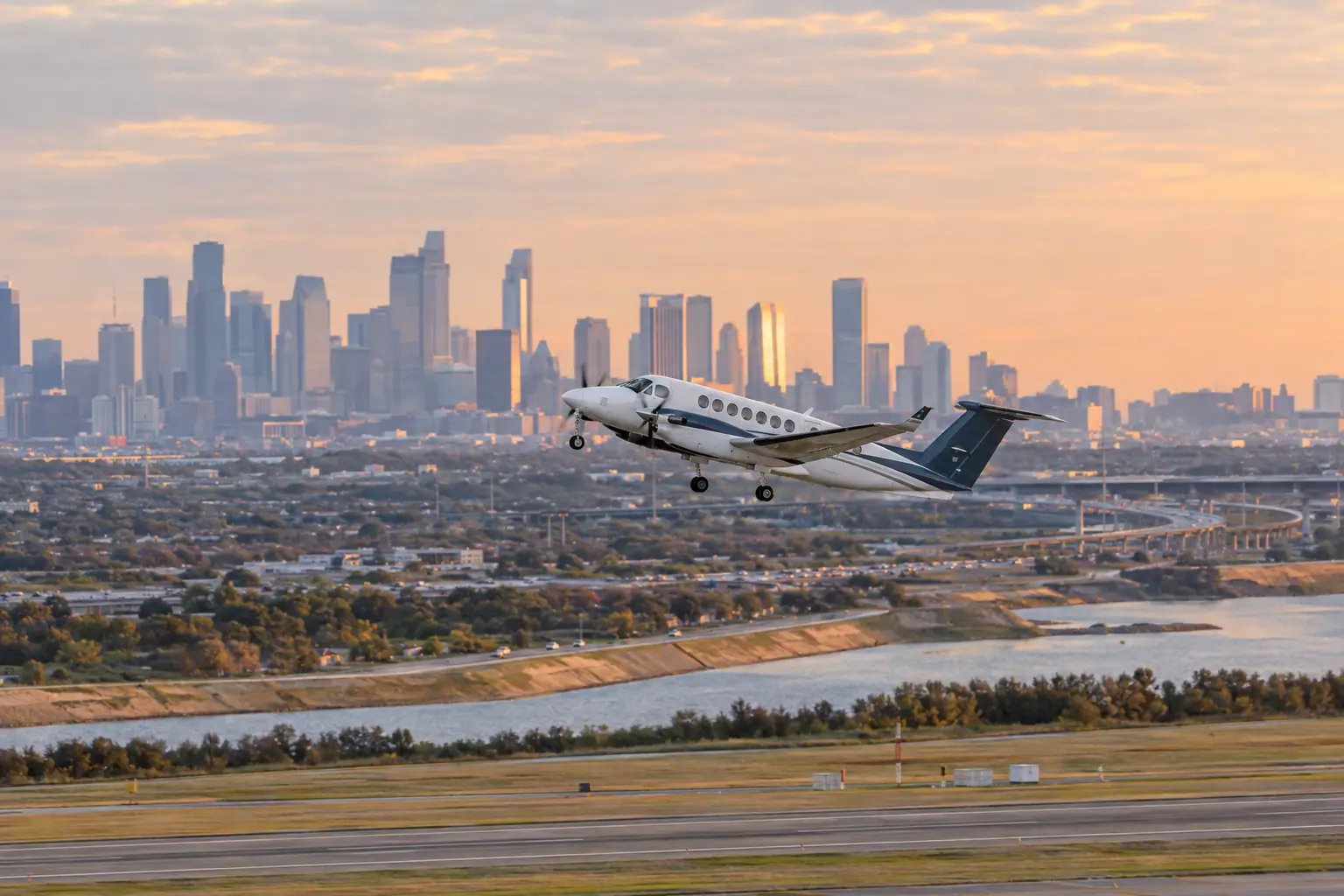
Route pricing scales with distance and whether the leg goes nonstop. Atlanta at 610 nm runs $5,500 to $8,500 and Washington at 1,039 nm runs $8,500 to $14,000. Coast-to-coast legs push past 1,200 nm, where a turboprop needs a fuel stop and the fare climbs accordingly.
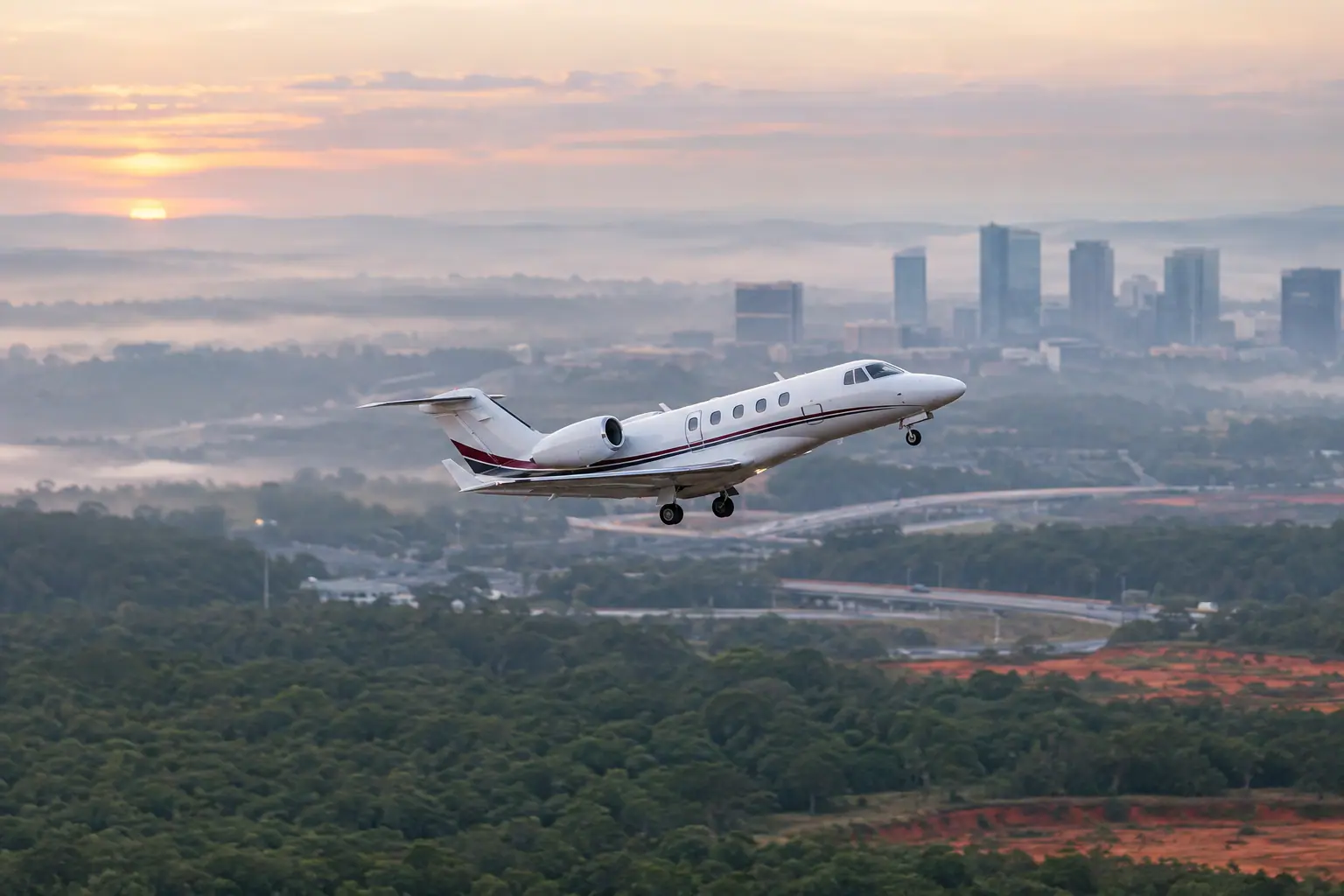


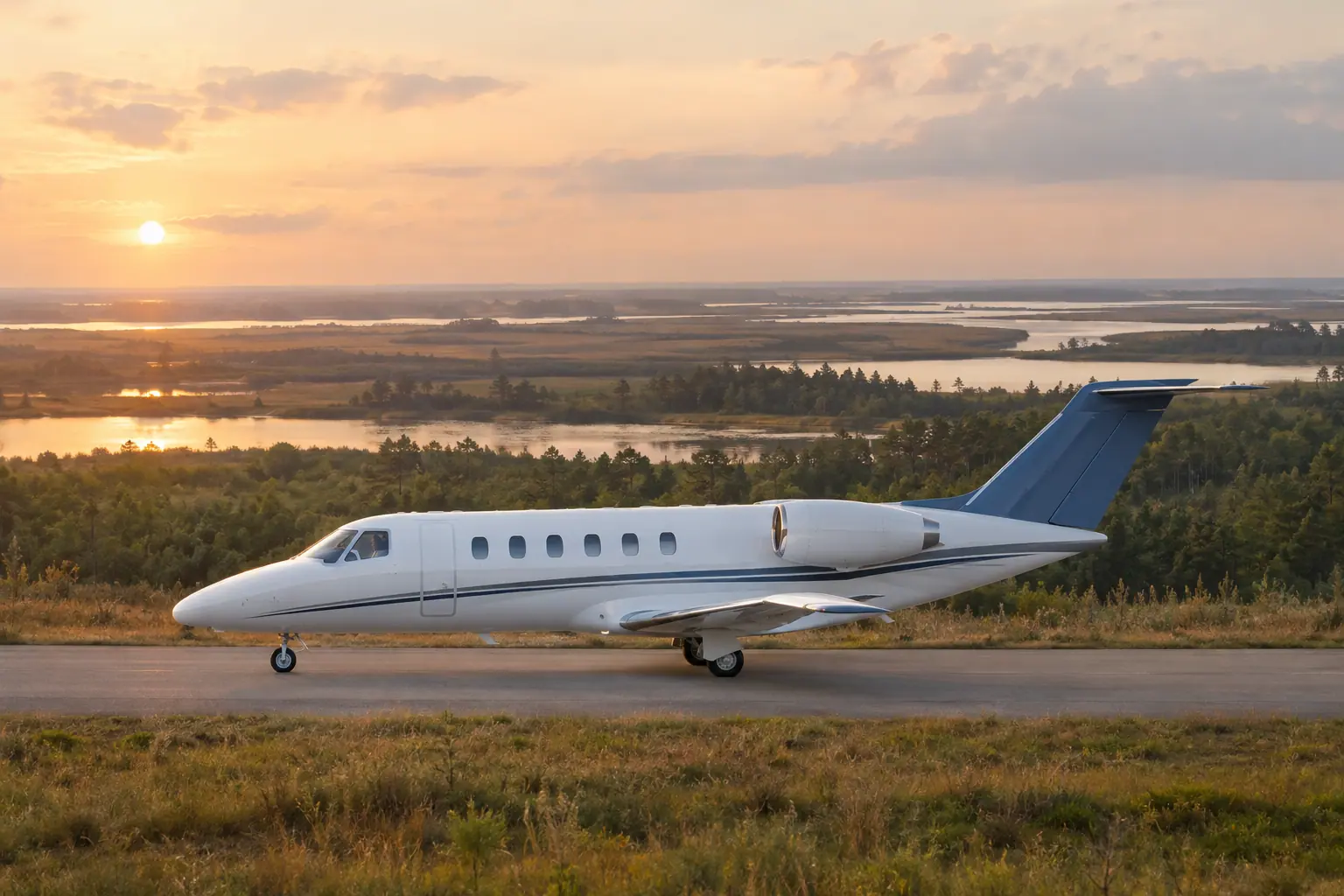
Turboprop flight times and pricing per route
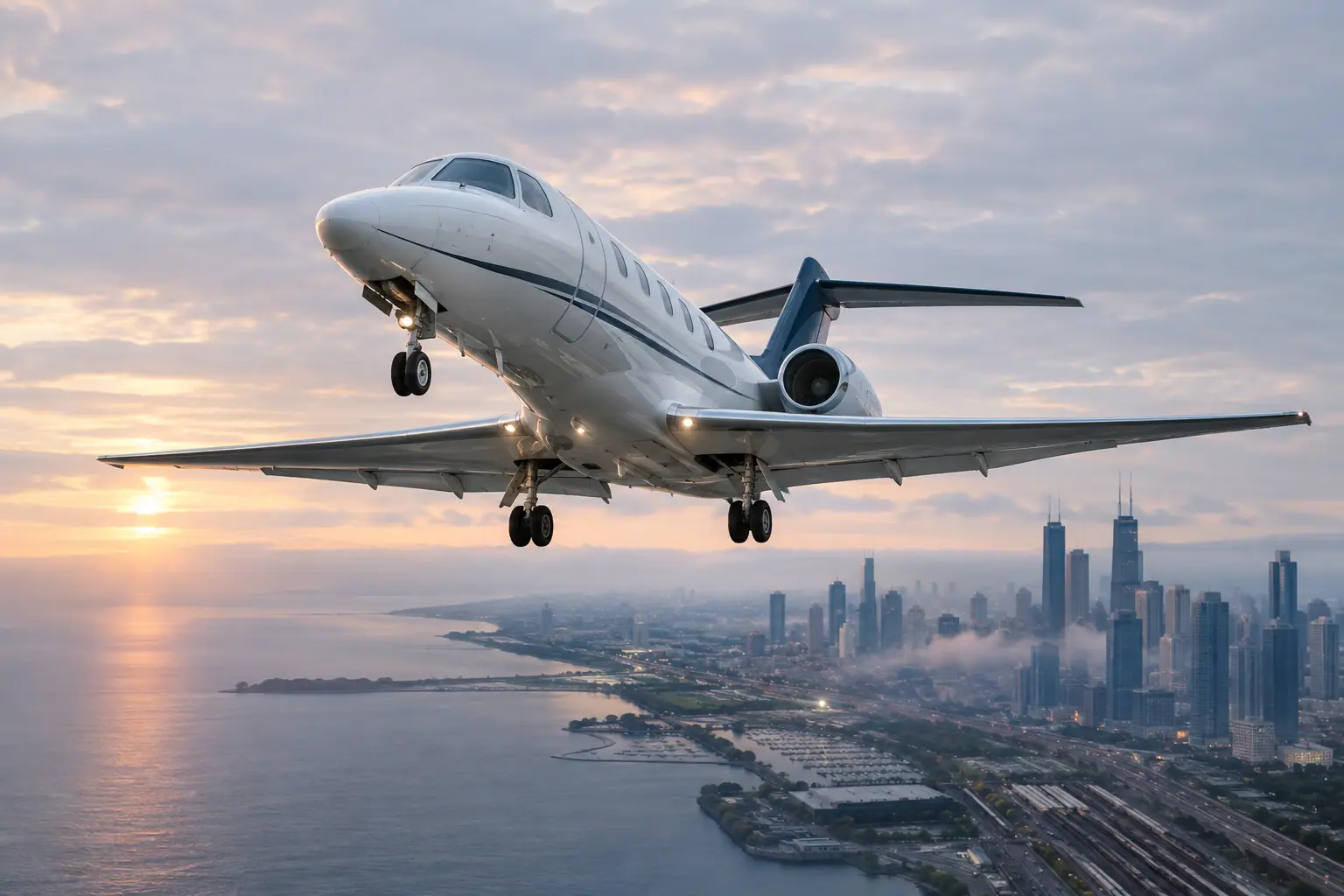
On these 24 routes a turboprop covers 0h 54m to 6h 50m, and one-way estimates span $2,000 to $24,000.
| Route | Time | One-way estimate |
|---|---|---|
| Dallas → Houston | 1h 03m | $2,500–$3,500 |
| Los Angeles → Houston | 5h 19m + stop | $11,500–$18,500 |
| New York → Houston | 5h 21m + stop | $12,000–$18,500 |
| Chicago → Houston | 3h 09m | $7,000–$11,000 |
| Atlanta → Houston | 2h 26m | $5,500–$8,500 |
| Washington, DC → Houston | 3h 56m | $8,500–$14,000 |
| Boston → Houston | 5h 54m + stop | $13,000–$20,500 |
| Philadelphia → Houston | 4h 24m | $9,500–$15,500 |
| Denver → Houston | 2h 59m | $6,500–$10,500 |
| Phoenix → Houston | 3h 27m | $7,500–$12,000 |
| San Francisco → Houston | 6h 05m + stop | $13,500–$21,500 |
| Seattle → Houston | 6h 50m + stop | $15,000–$24,000 |
| Las Vegas → Houston | 4h 04m | $9,000–$14,500 |
| Nashville → Houston | 2h 20m | $5,000–$8,000 |
| Charlotte → Houston | 3h 05m | $7,000–$11,000 |
| Orlando → Houston | 2h 51m | $6,500–$10,000 |
| Houston → Dallas | 1h 03m | $2,500–$3,500 |
| Houston → Las Vegas | 4h 04m | $9,000–$14,500 |
| Houston → Miami | 3h 10m | $7,000–$11,000 |
| Houston → San Antonio | 0h 54m | $2,000–$3,500 |
| Houston → Aspen | 3h 10m | $7,000–$11,000 |
| Houston → Los Angeles | 5h 19m + stop | $11,500–$18,500 |
| Houston → Cancun | 2h 41m | $6,000–$9,500 |
| Houston → New York | 5h 21m + stop | $12,000–$18,500 |
Questions
What is the turboprop charter cost Houston pilots quote per hour?
The hourly band for this class is $2,200 to $3,500, and that single figure drives most of the estimate. A 213 nm Dallas leg at 1h 03m prices at $2,500 to $3,500 all in, while a 1,039 nm Washington leg at 3h 56m runs $8,500 to $14,000. Hourly rate, billable time and fees together produce the quote, so ask which airframe and which day the number assumes.
Is a turboprop cheaper than a light jet from Houston?
On short legs, yes. The turboprop hourly band tops out at $3,500, and a 610 nm Atlanta trip prices at $5,500 to $8,500, which undercuts comparable jet quotes for the same distance. The advantage shrinks as distance grows. Past about 1,200 nm a turboprop needs a fuel stop, and the slower cruise means more billable hours, so the gap closes and sometimes reverses.
How long does a turboprop take from Houston to Chicago?
The 815 nm Chicago leg runs 3h 09m nonstop in a turboprop and prices at $7,000 to $11,000. That is a comfortable single-leg trip in a King Air 350i, which cruises at 312 knots with 1,800 nm of range. If your party is six or fewer, a PC-12 NGX flies the same route at 290 knots for a rate nearer the bottom of the band.
How many passengers fit in a Houston turboprop charter?
The class carries 6 to 8 passengers. The Pilatus PC-12 NGX seats six with 40 cu ft of baggage, and the Beechcraft King Air 350i seats eight with 55 cu ft. Cabin height is 4 ft 9 in to 4 ft 10 in, so most adults stand slightly stooped. For groups larger than eight, a turboprop is not the answer and you should compare a midsize jet instead.
Can a turboprop land at smaller airports around Houston?
Yes, and that is a large part of the appeal. Turboprops reach reliever fields and rural Texas strips that cannot take a jet, which shortens your ground drive and often your total trip time. Airports like Bush Intercontinental and Hobby handle any charter aircraft, so the smaller-field advantage only matters when your origin or destination is off the airline map. Confirm the runway length at both ends before you book.
What fees sit outside the turboprop hourly rate?
Repositioning, crew duty time, landing and handling fees, and fuel surcharges sit outside the hourly figure and can move a quote by a meaningful margin. The route estimates here, such as $5,500 to $8,500 for Atlanta at 610 nm, are planning ranges, not filed fares. Ask for a quote that itemizes each fee. If your trip is international, then CBP clearance and customs fees add another line.